Kyoto, Japan
Japan's ancient capital, where a thousand years of temples, gardens, and geisha culture linger in quiet wooden streets.
Kyoto was Japan's imperial capital for over a thousand years, and its legacy survives in thousands of temples and shrines, meticulously raked Zen gardens, and the geisha district of Gion. It's a city where centuries-old ritual and craft coexist with everyday modern life, making it Japan's most enduring showcase of traditional culture.
Don't miss
- Fushimi Inari Taisha — A mountainside shrine famous for its thousands of vermilion torii gates forming tunnels up the hillside.
- Kinkaku-ji (Golden Pavilion) — A gilded Zen temple that seems to float above its reflecting pond, especially striking at dawn.
- Arashiyama Bamboo Grove — A soaring, sun-dappled corridor of bamboo on Kyoto's western edge, best experienced early before the crowds.
- Gion District — The city's most famous geisha quarter, where lantern-lit lanes and teahouses evoke old Kyoto after dark.
- Kiyomizu-dera — A wooden temple perched on a hillside stage with sweeping views over the city, especially vivid in autumn.
- Nishiki Market — A narrow, centuries-old covered market packed with stalls selling Kyoto's distinctive pickles, sweets, and street food.
Getting around
Kyoto's core sights are spread across distinct districts, so most visitors rely on an efficient network of city buses and a compact subway system, supplemented by trains run by JR, Keihan, and Hankyu lines that reach outlying areas like Arashiyama and Fushimi. A prepaid IC card makes hopping between buses and trains simple, and many travelers also rent bicycles to explore flatter areas like the eastern temple district at their own pace. Taxis are plentiful but pricier, useful late at night or for reaching hillside temples with luggage.
Neighborhoods to know
Higashiyama, the historic eastern hills, strings together Kiyomizu-dera, Ninenzaka's sloped lanes, and Gion in one walkable stretch of old Kyoto atmosphere. Arashiyama, to the west, pairs the bamboo grove with riverside views and hillside temples. Central Kyoto around Kyoto Station and Shijo-Kawaramachi mixes department stores, Nishiki Market, and easy transit access, while the northern districts hold quieter Zen temples like Kinkaku-ji and Ginkaku-ji with fewer crowds.
Food and drink
Kyoto has its own refined food culture distinct from the rest of Japan, built around kaiseki multi-course dining, delicate tofu (yudofu) near temple districts, and Kyoto-style vegetables and pickles (tsukemono). It's also a serious matcha destination, especially around Uji just south of the city, where centuries-old tea houses serve matcha sweets and ceremonial-grade tea. For a casual introduction, Nishiki Market and the covered arcades near Shijo offer an easy way to graze your way through local specialties.
Best time to go
Spring (late March to April) brings cherry blossoms along the Philosopher's Path and Maruyama Park, while autumn (November) turns the temple gardens brilliant shades of red and gold — both are Kyoto's most beautiful but also most crowded seasons. Early mornings year-round are the best strategy for popular sites like Fushimi Inari and the bamboo grove, letting you experience them before tour groups arrive. Summers are hot and humid, and winters are mild but can bring occasional snow that dusts temple roofs beautifully.
A sample keepsake
This is the kind of trip story Voyagekit writes for you afterward — from your real trip.
A Few Days in Old Kyoto
A generic trio of friends spends a long weekend threading through Kyoto's temples, markets, and back lanes — a sample itinerary rather than any one traveler's account.

Sunrise at the Gates
We set an early alarm to beat the crowds at Fushimi Inari, and it was worth every bleary-eyed minute. Climbing through the tunnels of orange torii gates while the light was still soft and the paths nearly empty felt like stepping into a woodblock print. By the time we reached a quiet clearing partway up the mountain, we had it almost entirely to ourselves, save for a few local joggers and a shrine cat.
Photo: Espen Faugstad — CC BY 2.0
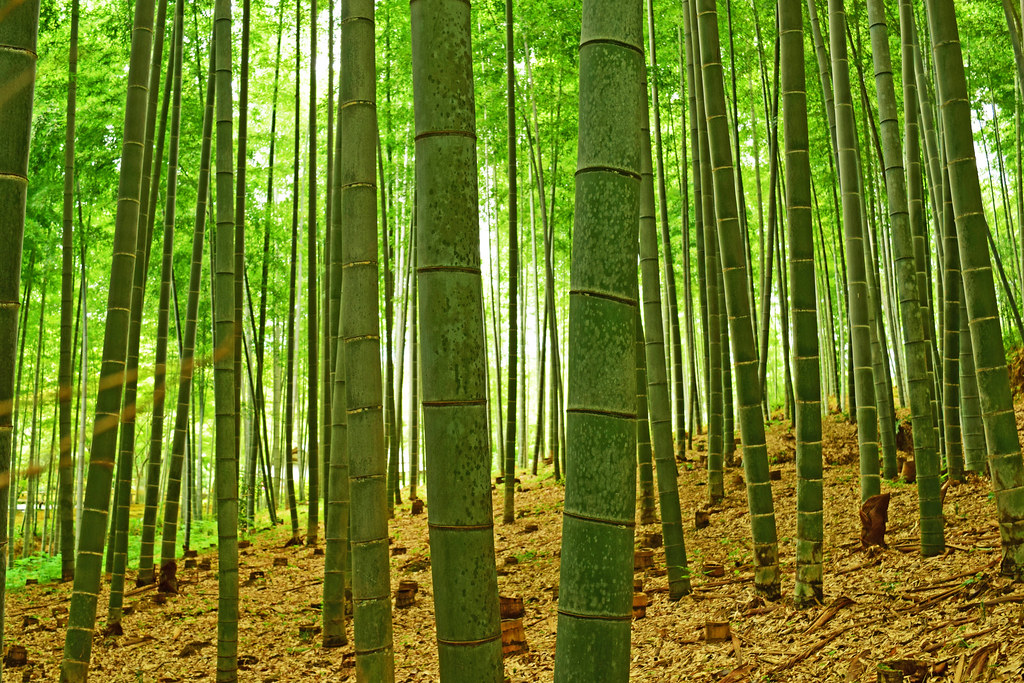
Bamboo and Riverside Calm
We took the train out to Arashiyama for the bamboo grove, arriving just as the stalks began to glow green in the morning sun. Afterward we wandered down toward the river, stopping for a simple tofu lunch near one of the old temple grounds, the kind of unhurried meal that made us slow our pace for the rest of the day.
Photo: roan.retera — CC CC0 1.0
Lantern Light in Gion
As evening fell we walked the stone lanes of Gion, watching the teahouse lanterns flicker on one by one. We didn't spot any geisha that night, but the hush of the district, the wooden facades, and the occasional shamisen note drifting from behind a screen door were enough to make the old stories feel believable.
Market Grazing
Our last full day started at Nishiki Market, where we sampled pickled vegetables, grilled skewers, and a few sweets we couldn't quite identify but enjoyed anyway. The narrow covered arcade buzzed with vendors calling out samples, and it felt like the most honest way to taste Kyoto in a single afternoon.

A Quiet Temple Farewell
We ended the trip at Kiyomizu-dera, climbing the wooden stage just as the afternoon light hit the hillside below. Looking out over the rooftops and forested slopes, it was easy to understand why this city held onto its old rhythms for so long, and why we were already planning to come back.
Photo: Basile Morin — CC BY-SA 4.0
Voyagekit turns your trip into a keepsake like this — plan yours, free.
Good to know
How many days do you need in Kyoto?
Most travelers spend 3–4 days to cover the major highlights across Higashiyama, Arashiyama, and central Kyoto, though a week lets you go deeper into day trips like Uji or Ohara without rushing.
When is the best time to visit Kyoto?
Late March through April for cherry blossoms and November for autumn foliage are the most rewarding but busiest times; late spring and early autumn shoulder weeks offer milder crowds with still-pleasant weather.
Is Kyoto worth visiting?
Yes — it's widely considered essential for understanding Japan's history and culture, with a density of temples, gardens, and traditional craft unmatched elsewhere in the country.
Is Kyoto safe for tourists?
Kyoto is very safe by international standards, with low violent crime; the main things to watch for are pickpockets in crowded tourist spots and etiquette missteps at religious sites.
How do you avoid the crowds at popular sites like Fushimi Inari?
Arrive at or before sunrise, since sites like Fushimi Inari and Arashiyama's bamboo grove are open-access and dramatically quieter in early morning light before tour buses arrive.
Is Kyoto or Tokyo better to visit?
They're complementary rather than competing — Tokyo offers modern energy and scale, while Kyoto offers historic depth and traditional culture, so most itineraries benefit from including both.
Get early access to Voyagekit.
We use your email only to reach you about early access — see our Privacy Policy.